I never wanted to write another blog measuring Uttarakhand’s beauty with points and comparisons. Uttarakhand isn’t something you count or rank. It’s something you feel.
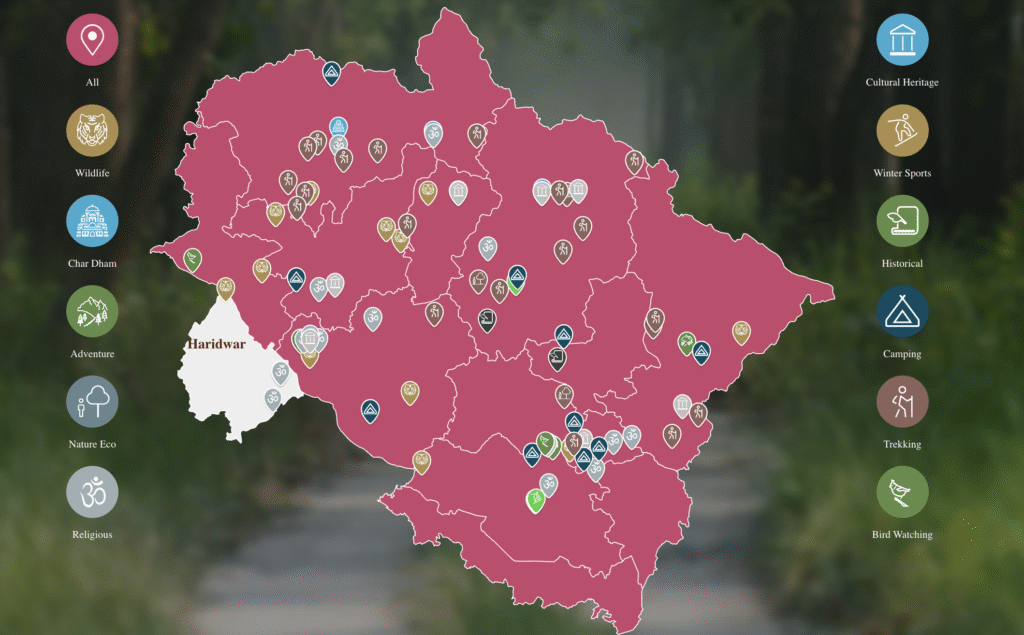
Travelling through Uttarakhand feels like awakening a sixth sense—one that had been quietly resting somewhere at the back of your mind. The moment you enter the hills through Rishikesh or Haridwar, something shifts. The roads narrow, the noise fades, and the air itself feels calm, as if it’s teaching you how to breathe.
As the journey climbs higher, you find yourself cutting sharp corners on the lap of the gods. Each turn slows you down—not because the road demands it, but because your mind does. The mountains don’t rush you. They ask you to arrive.
Once you spend time in these spaces, your mood stays elevated long after the journey ends. Every mountain road you travel afterward feels different, calmer—as if Uttarakhand quietly rewires the way you experience nature.
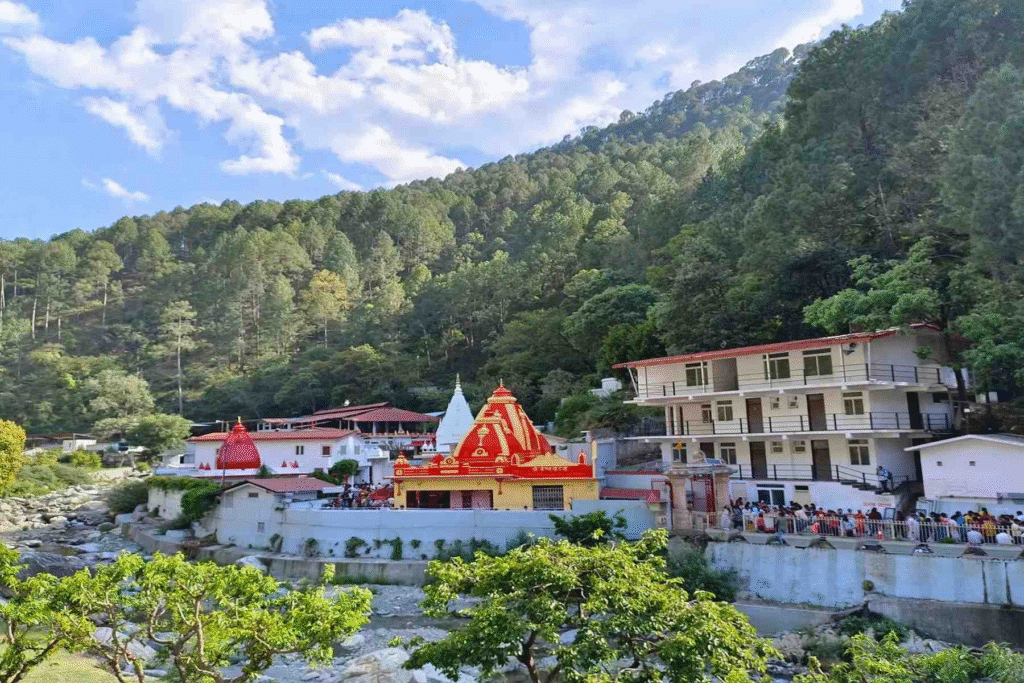
There’s a certain stillness in Uttarakhand that stays with you. It’s not silence; it’s presence. Spirituality here isn’t limited to temples or rituals—it floats in the air, settles in the rivers, and lingers in the forests. Visiting places like Kainchi Dham, where Steve Jobs once came seeking clarity, you begin to understand why people travel so far just to sit quietly. This land has a way of steadying restless minds.
Once you spend time in these spaces, your mood stays elevated long after the journey ends. Every mountain road you travel afterward feels different, calmer—as if Uttarakhand quietly rewires the way you experience nature.
The land invites exploration, but never in a loud way. Treks here don’t just test your legs; they open your perspective. Walking through the Valley of Flowers, a UNESCO World Heritage site, feels like stepping into a living painting that only reveals itself to those willing to walk slowly. Reaching Gaumukh, the source of the Ganga, you don’t feel the need to speak. Some places demand silence, not words.
Riding through the mountains toward Harsil, near Yamunotri, is equally unforgettable. The roads cut through deep valleys and quiet villages, making the journey as meaningful as the destination. Higher up, treks like Panch Kedar carry not just altitude but mythology. After the Kurukshetra war, the Pandavas are believed to have wandered these very mountains seeking Lord Shiva’s forgiveness. Each temple—Kedarnath, Madhmaheshwar, Tungnath, Rudranath, and Kalpeshwar—feels like a chapter in a story the mountains still remember.
What makes Uttarakhand special isn’t just its landscapes, as breathtaking as they are. It’s the way ancient history, Vedic references, and raw nature blend seamlessly into everyday life. This is Devbhoomi—not because the gods once lived here, but because their presence still feels close.
Uttarakhand doesn’t try to impress you. It doesn’t perform. It simply exists—quiet, powerful, and deeply grounding. And once you’ve travelled through it, a part of you stays there, breathing a little slower, carrying a little more peace.
Leave a Reply